
PRESCIENT / AMP SCZ
The PRESCIENT project, part of the Accelerating Medicines Partnership Schizophrenia (AMP SCZ) program, focuses on predicting clinical outcomes in individuals at clinical high risk (CHR) for psychosis.
Research
Understanding mental health requires more than looking at symptoms in isolation. It means tracing the dynamic interplay between biology, psychology, the social environment and the digital world. Our lab combines clinical expertise with computational innovation to investigate how environmental exposures, individual vulnerabilities and social interactions shape trajectories of mental health.
We aim to:
Alongside our research, we run an outpatient service for early recognition and intervention, the FETZ, so that our insights are grounded in clinical practice and benefit patients directly.
Our team brings together methodologically oriented clinicians and clinically oriented methodologists. This dual perspective lets us move from theory to practice. We apply and advance methods such as:
By integrating AI-driven analytics, digital psychiatry and environmental perspectives, we aim to build models that predict individual risk and treatment response with greater accuracy. Ultimately, our goal is to personalise behavioural, pharmacological and psychotherapeutic interventions in psychiatry, bridging clinic and computation to deliver better mental health outcomes in today’s human–digital world.
Led by Dr. Jessica Hartmann
Mental health is not a static state but a dynamic process. The group studies how mental illness develops across early stages and transdiagnostic trajectories, combining clinical longitudinal research with digital methods such as ecological momentary assessment and smartphone sensing.
Machine-learning models that forecast individual outcomes in people at clinical high risk.
The PRESCIENT project, part of the Accelerating Medicines Partnership Schizophrenia (AMP SCZ) program, focuses on predicting clinical outcomes in individuals at clinical high risk (CHR) for psychosis.

The CARE study, part of the CARE Network (Computer-assisted Risk Evaluation), is an innovative clinical research project aimed at early detection and prevention of psychosis.
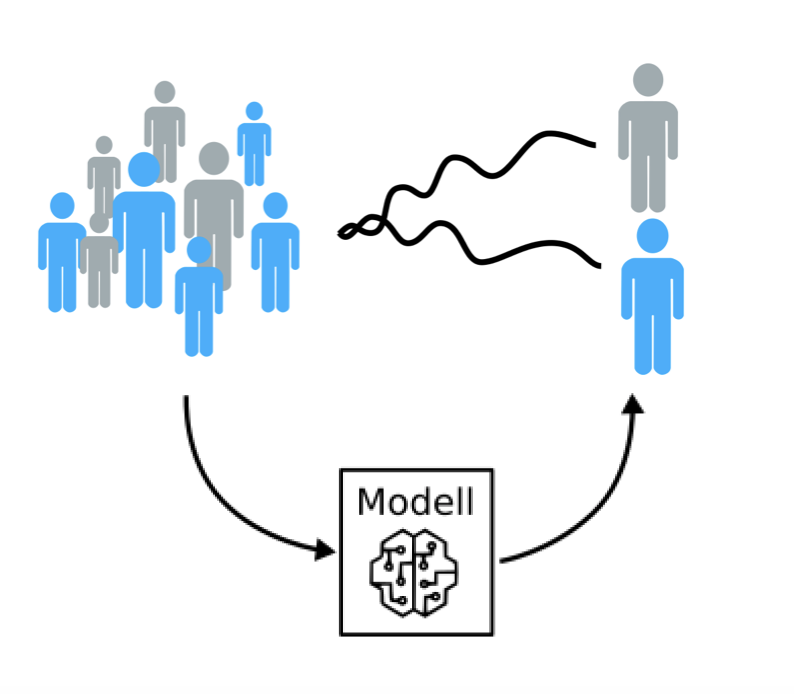
A focus of our lab is the identification of individuals that are at-risk to develop a psychiatric disorder.
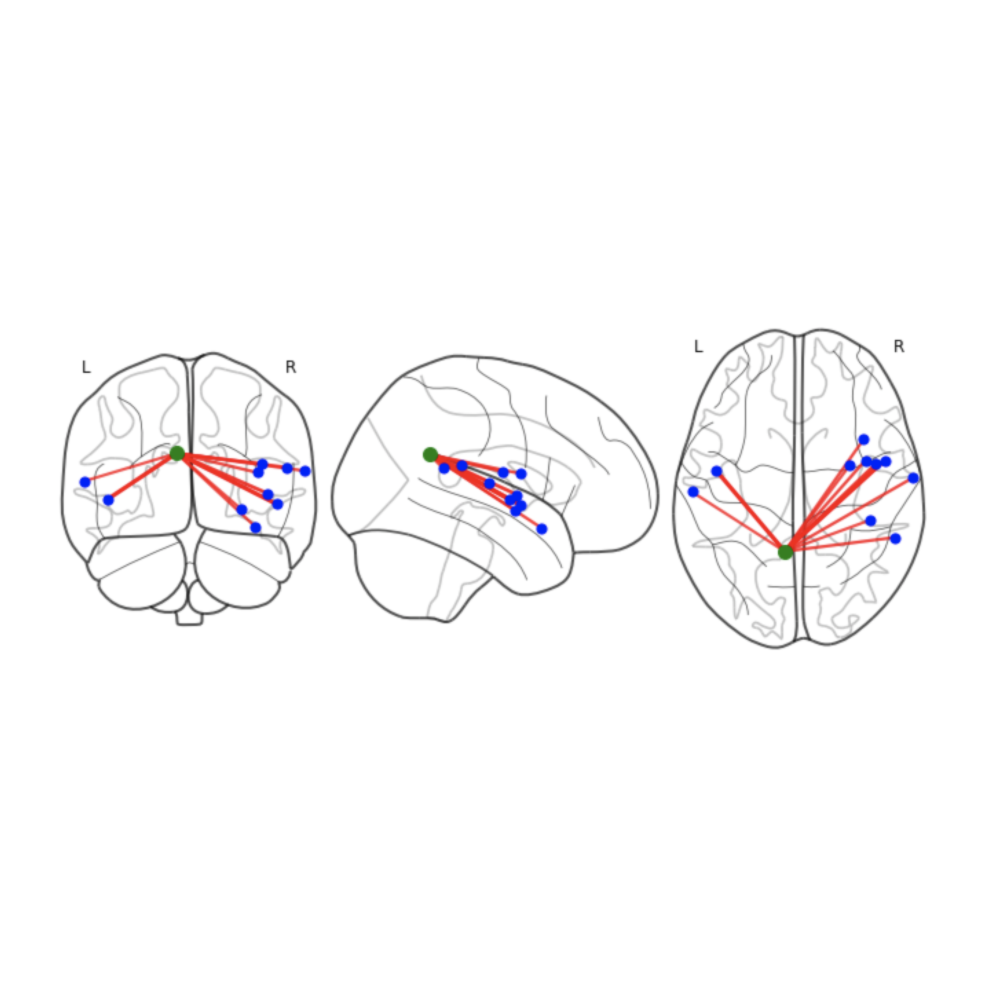
Cognitive symptoms are a central feature of most psychiatric diseases including psychotic and affective disorders. Recent results, including work from our lab (Kambeitz-Ilankovic et al., 2019), demonstrated that cognitive training can effectively improve cognitive performance in patients with psychosis.
Speech, language and smartphone data as scalable markers of mental health.
The LAMBDA study (Language Markers and Brain Dysfunction in Early Psychosis) investigates the link between language and mental health, specifically focusing on psychosis.

Through our involvement in the Early Recognition and Intervention Service for Mental Disorders (FETZ) of the University Hospital Cologne, we noticed that the currently established prevention approach in psychiatry, which targets diagnosis-specific syndromes, does not cover the majority of…
Brain-network simulations, symptom networks, digital twins and LLM-based agents.
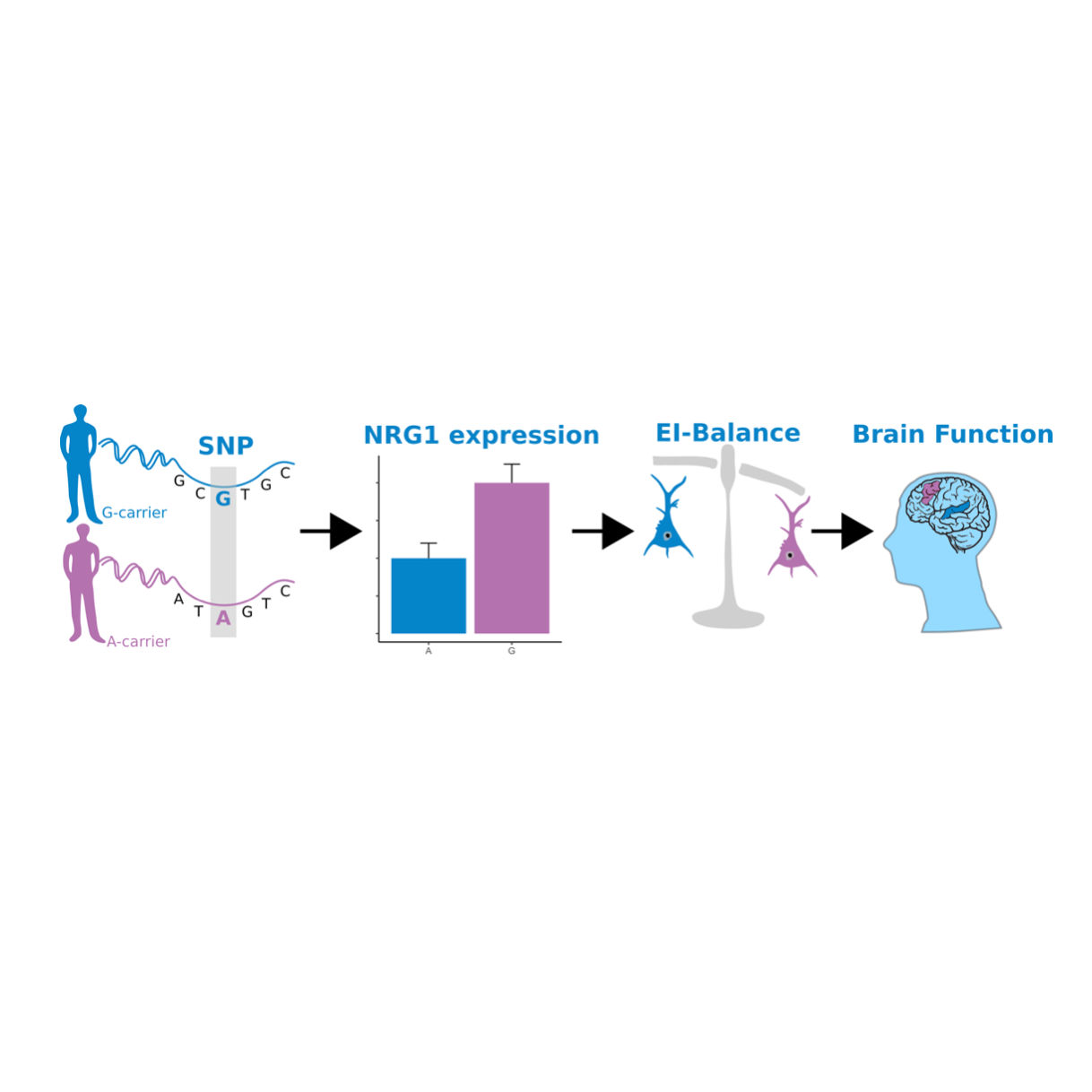
This project aims at demonstrating the applicability of biophysical brain network models to neuropsychiatry. We will investigate the mechanisms underlying aberrant whole-brain functional connectivity observed in patients with SCZ using a computational neuro-platform named "The Virtual Brain" (TVB).
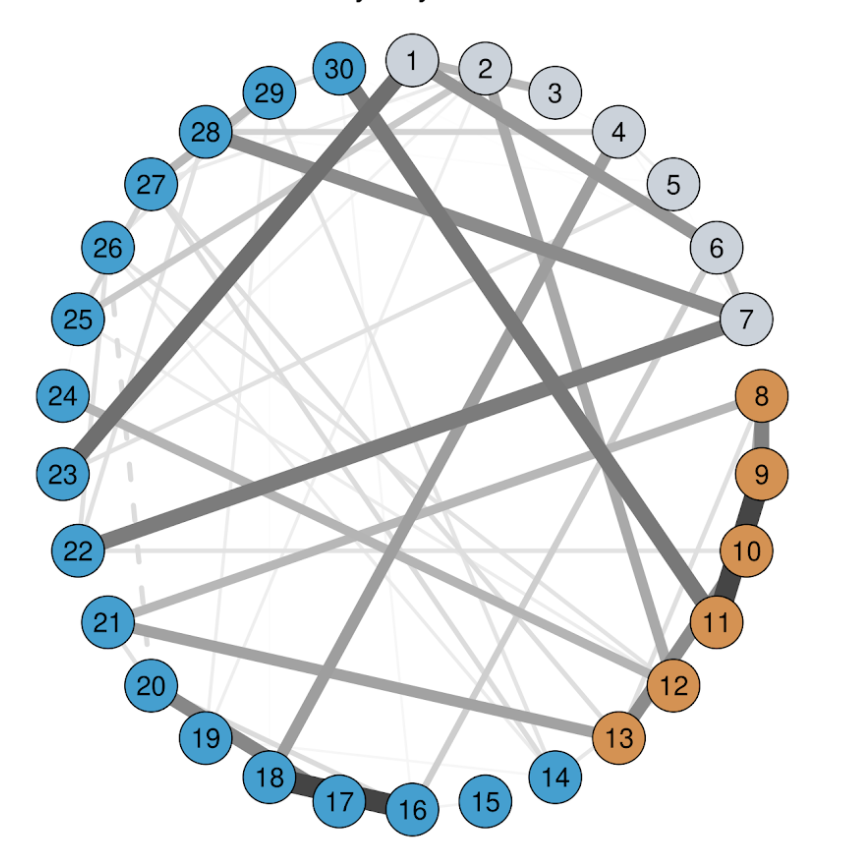
Psychiatric disorders are mainly defined by the occurrence of clinical symptoms such paranoia, social isolation or anxiety.

We develop computational "digital twins" of patients and generative AI agents to simulate mental health trajectories.
Trials and cohorts that turn insights into better treatment for young people.

PsyLetics is an innovative research project, investigating the effects of high-intensity training (HIT) in patients with schizophrenia.
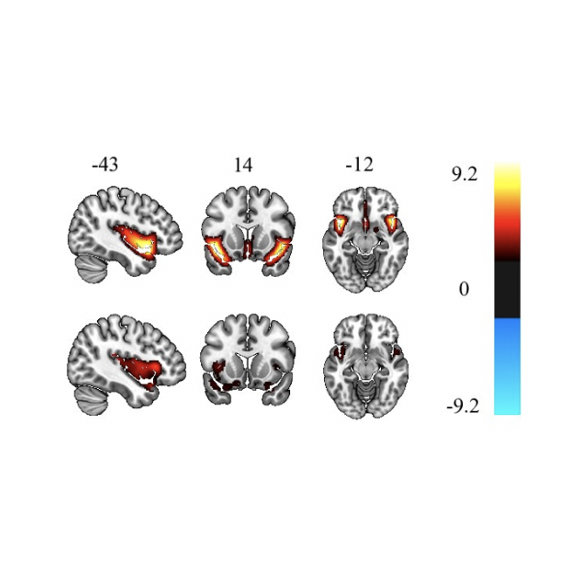
Cannabis has been identified as one of the major risk factors for developing psychosis. Recent studies show that up to 50 % of all patients with cannabis-induced psychosis (CIP) continue to develop a permanent form of a psychotic disorder.
Looking for software? See our code & tools.